For high-income earners tired of writing the biggest check of the year
$100,000 in. A target of roughly $70,000 off your ordinary income.
Real footage, South Texas site
A South Texas gas operation. 400 wells producing today. Real asset, not a projection.
Accredited investors only.
Every April you write it. The biggest check of your year, on income that was already taxed out of every paycheck.
You maxed the 401k. Your CPA files a clean return. The check is still the biggest one you write.
You accepted that. Earning more just makes the number bigger.
There's a reason your CPA has never brought this up.
It's not hidden. It just doesn't apply to a paycheck. Nothing in a payroll record gives your CPA a reason to bring it up.
The tax code treats two things differently. Earning a wage, and putting money into the things the country actually needs built. One side gets withholding. The other side gets the deduction.
Real money. Real code section.

If that sounds like you, the next step is a call. Fifteen to thirty minutes. We confirm the deduction applies to you and hand you the figures your CPA will need.
Four questions first. About a minute. No obligation, nothing to sign.
Start here. Four questions
Which of these describes you?
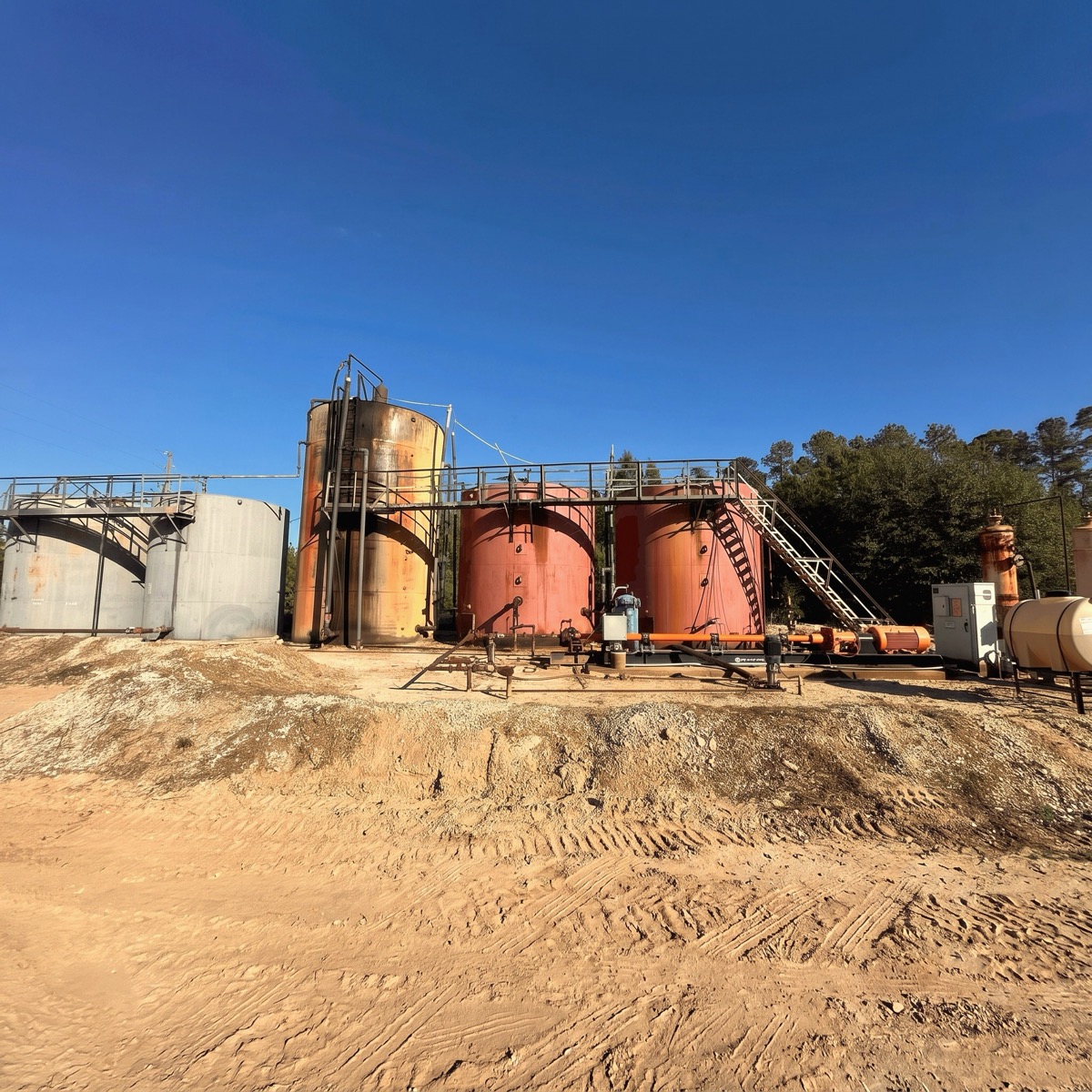
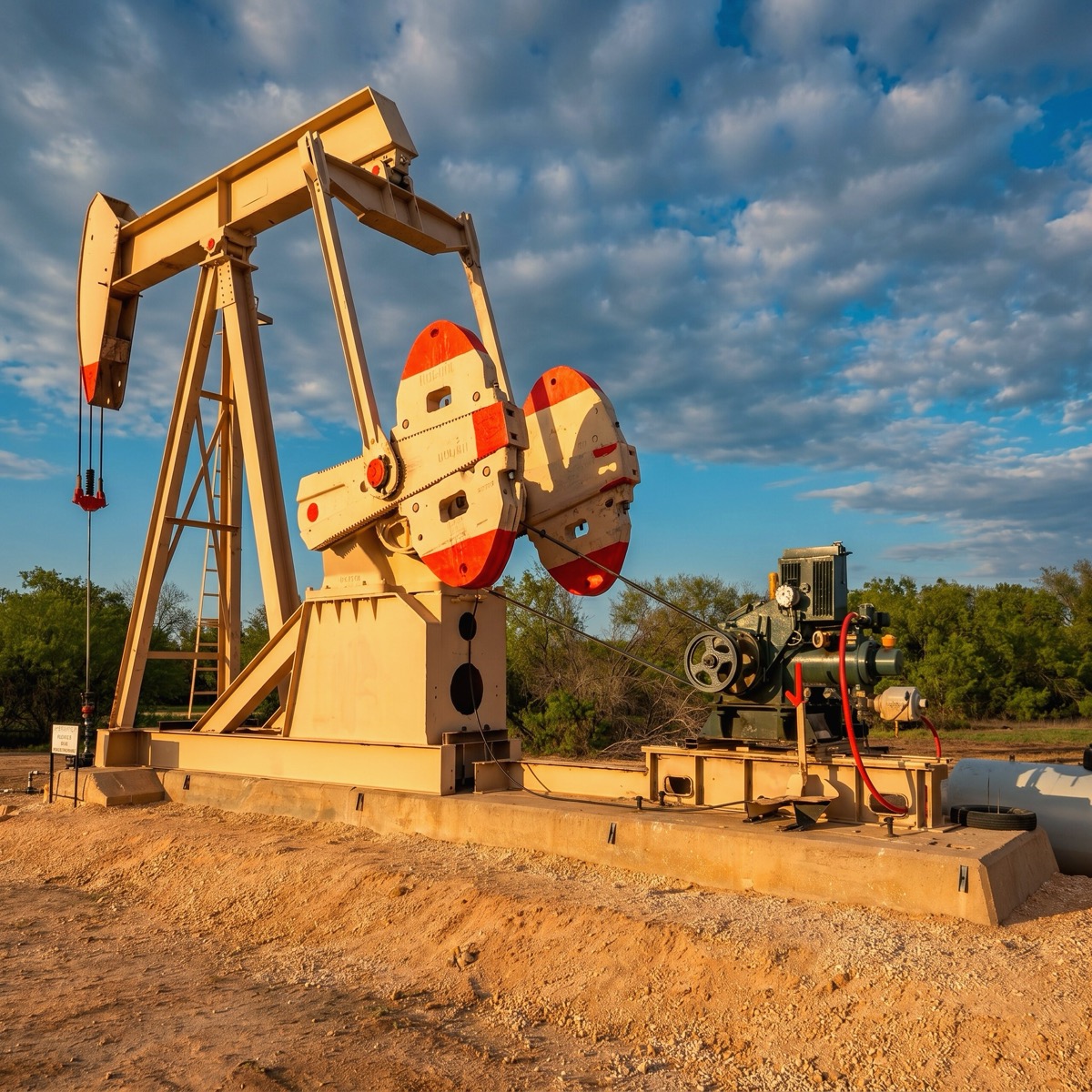
This isn't a rendering. 400 wells are producing today across roughly 58,000 leased acres in South Texas. An independent reserve report from Lee Keeling backs the numbers. A credit facility with Modern Bank in New York backs the balance sheet.
So what is it?
Drilling a well is mostly intangible drilling costs: labor, fuel, chemicals spent before a single barrel comes up. The IRS has let investors deduct those costs since 1913.
Partners here target a first-year deduction of roughly 70% of what they place, against ordinary income, in the year they invest. Targeted, not guaranteed. The outcome depends on the projects and your own tax situation.
The number arrives on a K-1 no later than March, already printed. It applies to the tax year you invest in. Not the one after.
More than 200 accredited partners are already in. Most of them spent their careers earning a paycheck and never knew this provision was written for them too.
The plain terms
- Structure
- A Reg D 506(c) private placement.
- Who
- Accredited investors. Over $1M net worth excluding your home, or income over $200K in each of the last two years ($300K with a spouse).
- The asset
- Direct participation in domestic energy development. 400 producing wells, South Texas.
- Liquidity
- Not liquid. This isn't something you exit on short notice.
- The deduction
- Targeted, not guaranteed. Depends on the projects and your own tax situation.
Not tax, legal, or investment advice. If this rules you out, the questions below will say so.